

Remy et Luc Bayon de Noyer
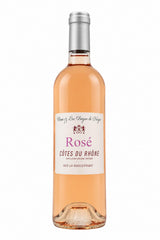
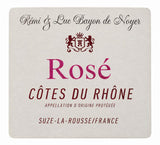
Rémi & Luc Bayon de Noyer, Rosé, Côtes du Rhône, 2025
RoseA convivial southern Rhône rosé from brothers Rémi and Luc Bayon de Noyer. Fresh strawberry and raspberry notes meet a rounded, easygoing palate and a bright, refreshing finish.
The estate’s rosé is made by direct pressing and cool fermentation in stainless steel, preserving its delicate fruit. A generous partner for summer salads, grilled vegetables, poultry or a relaxed barbecue, it is equally enjoyable as an aperitif.
From an organically farmed estate guided by biodynamic principles.
Certified organic farming by French standards. Winter pruning follows the estate’s double Cordon de Royat approach, with short spurs and a restrained bud count to control yields and encourage naturally concentrated fruit. Light ridging at the beginning of winter is followed by unearthing in early spring, adapting the work to the condition of the soil.
Natural and sown grass cover is maintained in alternating rows. Once cut, this vegetation forms a protective mulch that helps limit erosion and supports the life of the soil. Work immediately around the vine bases controls competing growth and superficial roots, encouraging the vines to explore deeper layers.
Suckering, disbudding and canopy adjustment are carried out by hand. In hotter conditions, the brothers retain protective foliage around the bunches to reduce direct sun exposure and preserve freshness. The aim is a balanced canopy, good ventilation and healthy grapes without unnecessary intervention.
Harvest decisions are made by variety and parcel as the fruit reaches the desired maturity. Hand picking and a responsive harvest team allow careful selection and work in cooler conditions. The farming philosophy is shared across the estate: biodiversity, respect for the soil and a search for balance rather than maximum yield.
The producer’s Côtes du Rhône rosé is made by direct pressing. The grapes are pressed to separate the juice from the skins early, keeping extraction measured and giving the wine a delicate rosé color rather than the deeper structure of a red wine. This is a different objective from the estate’s prolonged red-wine macerations: the priority is freshness, supple texture and clear fruit.
Fermentation takes place at low temperature in stainless-steel tanks, as specified in the producer’s rosé technical information. Temperature control helps retain delicate aromas and moderates the pace of fermentation. Stainless steel provides a neutral environment in which the fruit remains the focus.
The same attentive cellar philosophy seen in the estate’s whites is relevant here: gentle handling, close observation and balance between aromatic expression and mouthfeel. Direct pressing and cool fermentation support the rosé’s strawberry and raspberry character, while its acidity keeps the rounded palate lively. The finished style is intended for an aperitif and the table, with freshness carrying the wine through the finish.
Around Suze-la-Rousse, 2025 formed part of a southern Rhône season marked by warmth, early ripening and careful harvest decisions. Winter replenished soil water reserves before a warm spring and early summer accelerated growth. An August heatwave concentrated the fruit, while the mistral helped maintain healthy vineyard conditions. Rain in September made the choice of picking date especially important. For rosé, the challenge was to capture ripe fruit while retaining acidity and delicate aromas. Inter Rhône’s regional assessment emphasizes lower volumes, expressive fruit and encouraging freshness—a promising setting for this convivial Côtes du Rhône rosé.